
Our Members
Who we are
The Network brings together expertise that is often siloed, including methodologists, evaluators, policy researchers, R&D leaders, and evidence intermediaries, because that is how evidence work is structured in practice. Many evidence failures occur at the boundaries, when findings are translated into claims, and claims into action.
Methodologists & Statistical Design


Measurement & Data Science

R&D and Implementation

Evaluation, Policy, and Evidence Infrastructure

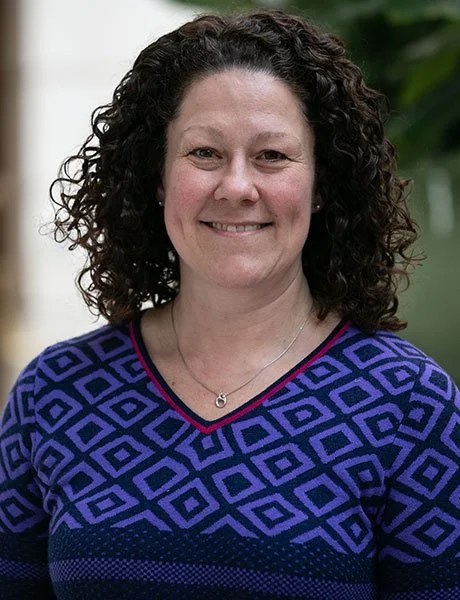



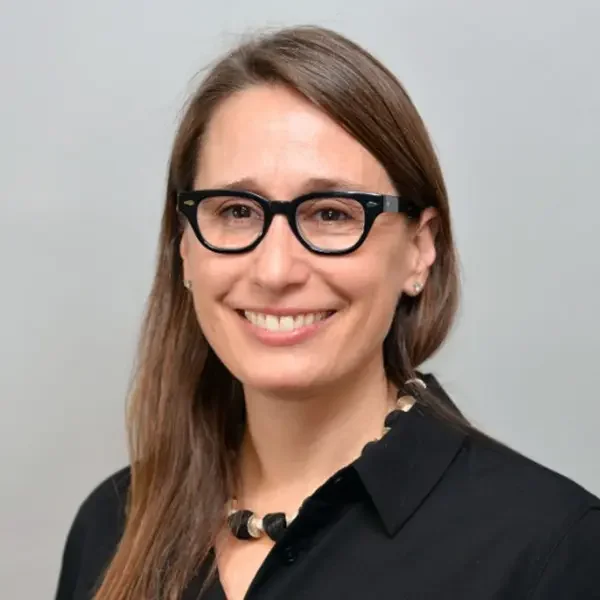


Methodologists & Statistical Design

Luke Miratrix is currently a Professor at the Harvard Graduate School of Education and affiliate faculty of the Department of Statistics. His research focuses on how to best use modern statistical methods in applied social science contexts. His area of experience is causal inference, statistical practice, and design-based reasoning.
(Harvard University)
Jessaca Spybrook is a Professor of Research Methods at the University of South Carolina. Her research focuses on improving the design and analysis of impact studies in education. Her area of expertise is multilevel design, statistical power, and impact study planning.
(University of South Carolina)
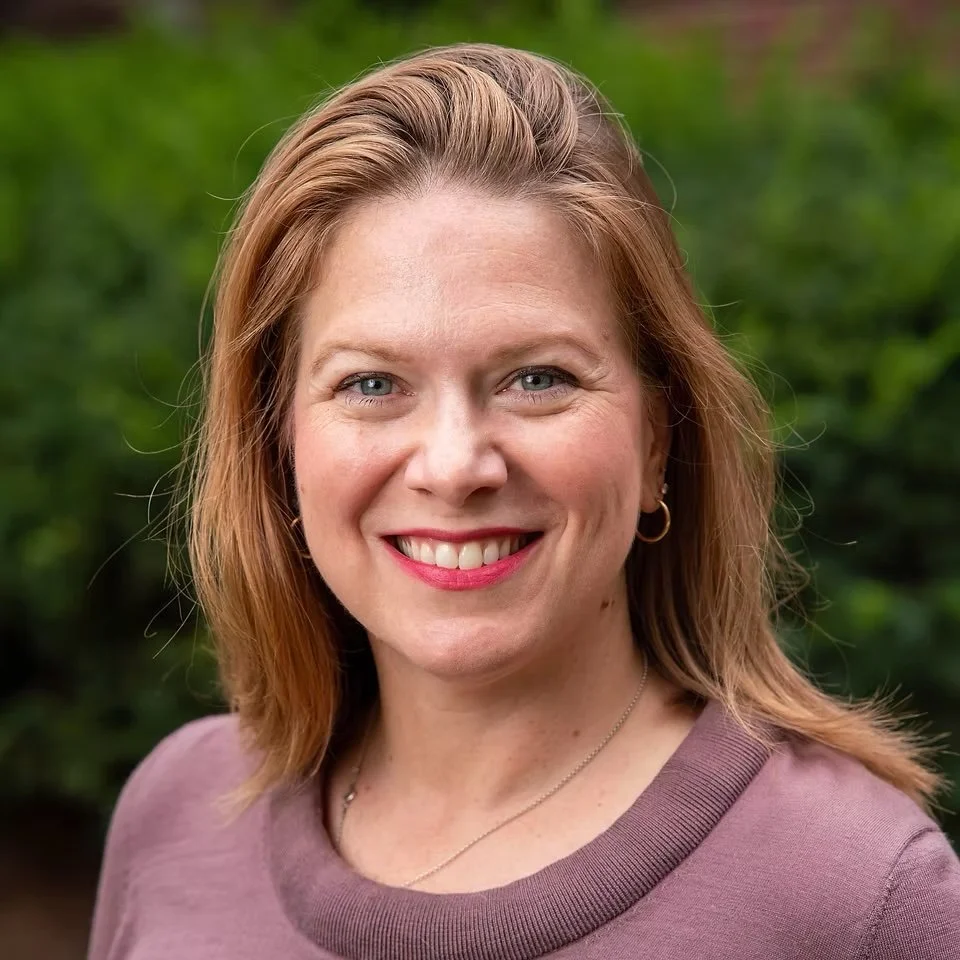
(Northwestern University)
Elizabeth Tipton is a Professor of Statistics and Data Science at Northwestern University. Her research focuses on the development of statistical methods and tools for making ‘causal generalizations’. Her area of expertise is generalizability, causal transport, and external validity.

(University of Virginia)
Vivian Wong is an Associate Professor in Research, Statistics, and Evaluation at the University of Virginia. Her research focuses on evaluating interventions in early childhood and K-12 systems. Her expertise is in improving the design, implementation and analysis of randomized experiments, regression-discontinuity, interrupted time series, and matching designs in field settings.
Measurement & Data Science

Ben Domingue is an Associate Professor at the Graduate School of Education at Stanford University with research interests in psychometrics and quantitative methods. His research focuses on how statistical tools can be used to better understand psychological and educational outcomes.
(Stanford University)
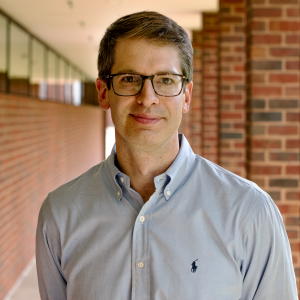
Brian Wright serves as a Quantitative Foundation Associate Professor and Director of Undergraduate Programs at the School of Data Science at UVA. Wright is also the Director of the Collaboratory for the Advancement of Data Science and Education, a wide-reaching partnership with UVA’s School of Education. His area of expertise is data science and AI, translating technical work for broader audiences.
(University of Virginia)
R&D and Implementation
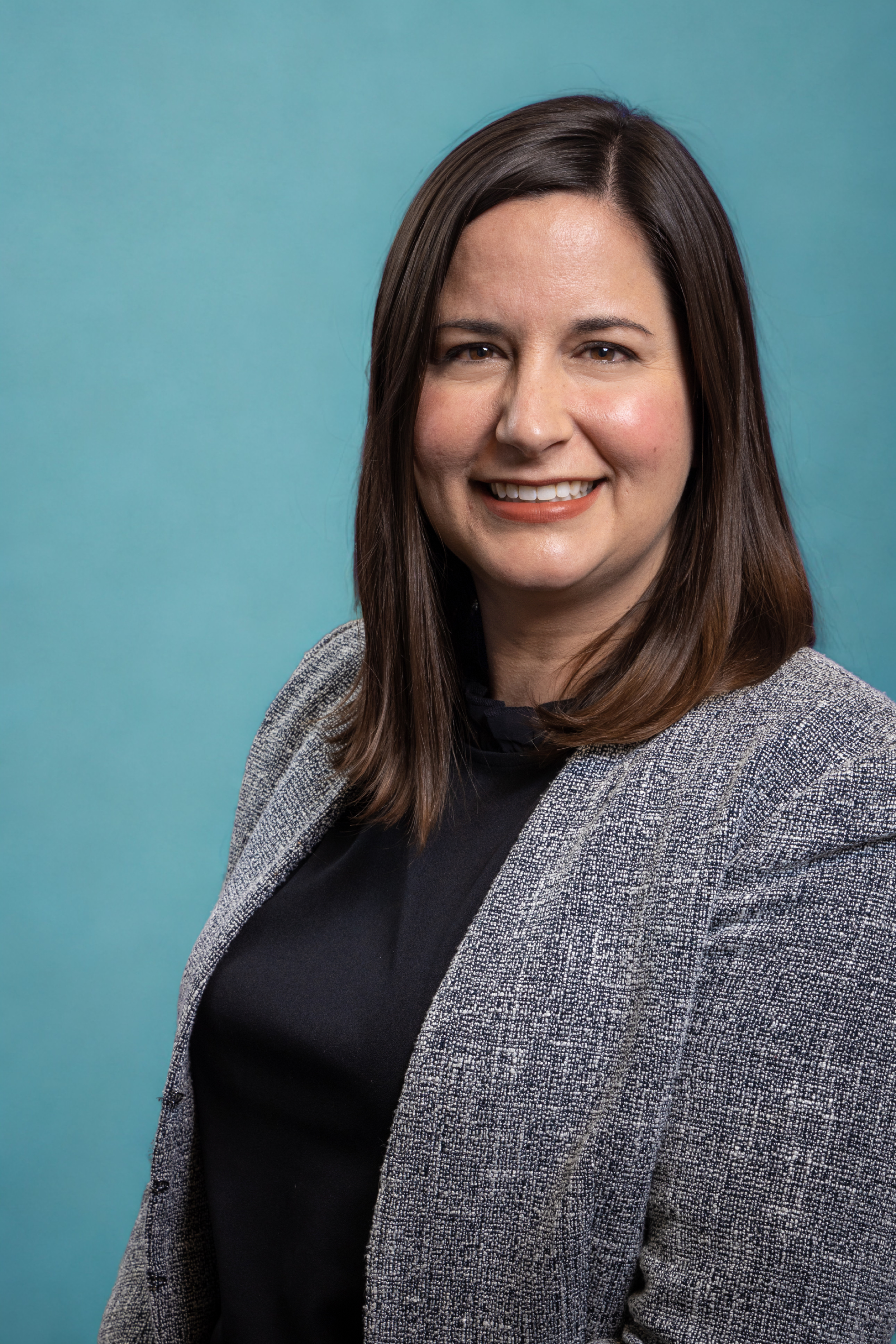
Erin Higgins has dedicated her career to fostering innovation through research and development (R&D) to improve education for all learners. During her 12 years at the Institute of Education Sciences, Erin managed approximately $240 million in grant funding which supported a wide range of education R&D, including exploratory research on how people learn, AI/ed tech evidence-based product development, innovations in measurement, and evaluation of promising products and programs.
(Align R&D)

Kelly Hallberg serves as the Scientific Director for the Inclusive Economy Lab where she is responsible for the scientific rigor and direction of the Lab’s projects and oversees a portfolio of applied research projects designed to result in greater economic opportunity for young people harmed by discrimination, disinvestment, and segregation. Her research focuses on improving the post-secondary educational attainment of students from low-income households.
(University of Chicago)
Evaluation, Policy, and Evidence Infrastructure

Rekha Balu is the director of federal equity initiatives and co-vice president of the Race and Equity Division at the Urban Institute, where she leads research and policy programs that deploy analytics and evidence to inform federal agencies on how to advance equity.
(Urban Institute)
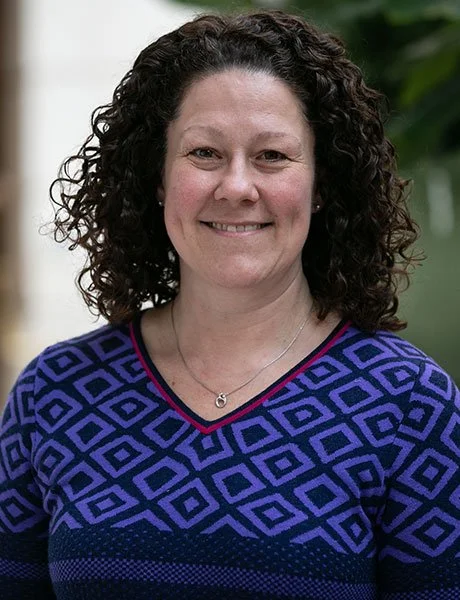
Beth Boulay is a Distinguished Senior Research Scientist at the Annenberg Institute at Brown University. She brings over two decades of experience using robust evaluation tools and methods to build actionable evidence of effectiveness of education programs, practices and policies. Her area of expertise is research-practice partnerships, measurement and applied methods, and large-scale evaluation.
(Annenberg Institute/Brown University)

(University of Pennsylvania)
Brooks Bowden is an associate professor at the Graduate School of Education at the University of Pennsylvania. Her work is motivated by the goal to improve children’s trajectories by minimizing barriers to learning and engagement in school related to poverty and vulnerability. Her expertise is in program and policy evaluation that incorporate economic analyses.

(American Institutes for Research)
Dan Goldhaber is director of the Center for Analysis of Longitudinal Data in Education Research at AIR and an AIR vice president. Dr. Goldhaber’s work focuses on issues of educational productivity and reform at the K-12 level, the broad array of human capital policies that influence the composition, distribution, and quality of teachers in the workforce, and connections between students' K-12 experiences and postsecondary outcomes.

Cara Jackson is the Research Manager on the Insights Team at the Center for Outcomes Based Contracting, leading research and evaluation projects that help schools, districts, and state agencies improve educational opportunities and outcomes for students. Her research spans interventions to boost student achievement, policies on school and teacher quality, and teacher preparation.
(The Center for OBC)
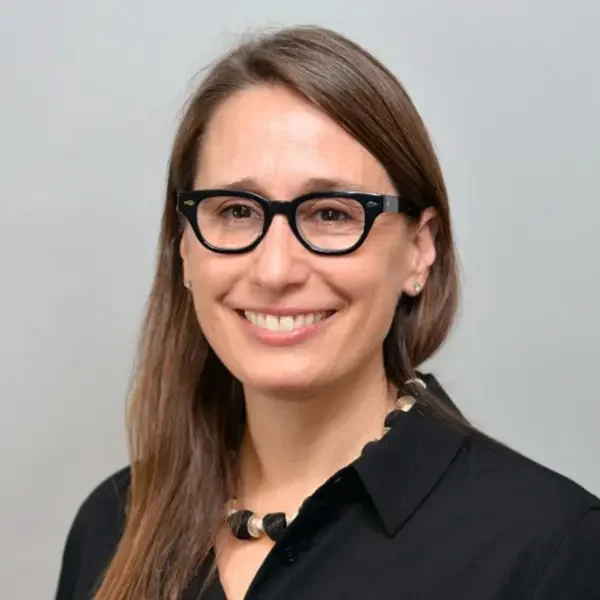
Laura R. Peck is an Associate Professor and Principal Faculty Fellow for the John J. Heldrich Center for Workforce Development at Rutgers University. She specializes in designing experimental and quasi-experimental studies to measure the real-world impact of public programs. Her research has shaped evidence-based policy across sectors — from education and employment to housing and income support.
(Rutgers University)

(GW Institute of Public Policy)
Rob Olsen is a Research Professor at the George Washington University institute of Public Policy. He has over 25 years of experience designing and conducting impact evaluations, particularly randomized trials, in education and other areas. His interest is in the development and use of methods to improve the generalizability of impact evaluation findings.

(DC OSSE)
Betsy Wolf is a Lead Education Research Analyst at the DC Office of the State Superintendent of Education. Her expertise is in program evaluation, research design (including randomized controlled trials, quasi-experiments, and mixed methods), advanced statistical analysis, meta-analysis, data management and visualization, and qualitative research. I specialize in translating complex findings into clear, actionable insights for diverse audiences.